
Cinnamon
Cinnamomum verum / Cinnamomum cassia
also known as true cinnamon, cassia cinnamon
Moderate (blood sugar)
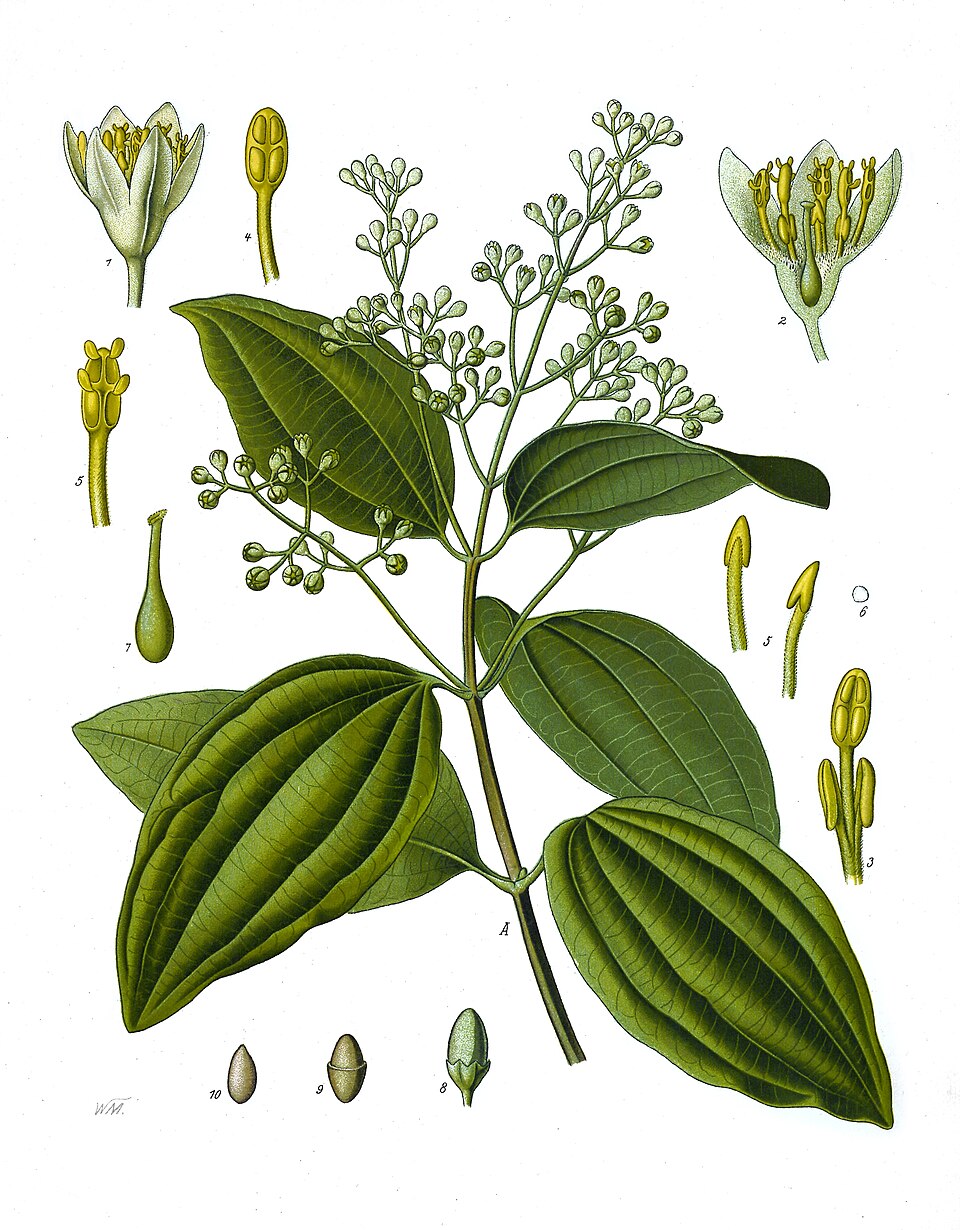
A warming spice from the inner bark of a tropical tree, central to cuisines and traditional medicines around the world. Two main varieties dominate the market — Ceylon cinnamon (the 'true' cinnamon) and cassia cinnamon (the more common, cheaper variety). They taste similar but are not nutritionally identical: cassia contains coumarin in amounts that matter at supplemental doses.
- May modestly support healthy blood sugar in type 2 diabetes — best understood as part of a bigger picture of diet and lifestyle, not a stand-alone treatment
- Antimicrobial action against several bacteria and fungi
- Antioxidant action from cinnamaldehyde and related compounds
- Long traditional use as a warming spice for digestion, circulation, and cold-weather support
- Ceylon cinnamon (C. verum) is preferred for medicinal or daily supplemental use due to lower coumarin content
- Both varieties are completely safe in normal culinary amounts
Cassia cinnamon (the common kind sold in most supermarkets) contains coumarin — daily high intake can affect liver function
Coumarin is a different compound from the prescription blood thinner warfarin (Coumadin), but at very high doses cinnamon coumarin can interact with the same pathways
Use caution with blood thinners — cinnamon has mild blood-thinning action of its own
May lower blood sugar — caution with diabetes medication
Cinnamon essential oil can irritate skin and mucous membranes — never apply undiluted
Inhaling cinnamon powder is dangerous (the 'cinnamon challenge' has caused lung injury and death)
Skip large medicinal doses during pregnancy
Children should not be given large amounts of cinnamon supplements
Related literature · not reviewed for these claims
These papers were imported by topic. They may concern plants, laboratory work, or different preparations. Inclusion here does not establish a human health benefit or support the claims above. How to read our sources →
- Cinnamon in poultry feed
- Authentication/discrimination, identification and quantification of cinnamon adulterants using NIR spectroscopy and different chemometric tools: A tutorial to deal with counterfeit samples
- Protective effects of Cinnamomum verum, Cinnamomum cassia and cinnamaldehyde against 6-OHDA-induced apoptosis in PC12 cells
You might also explore
Common questions
They taste almost identical, but cassia — the cheaper kind sold in most grocery stores — contains a compound called coumarin that can affect liver function in large daily amounts. Ceylon ("true") cinnamon has much less of it, which is why it's the better choice for regular supplemental use rather than just baking.
NIH NCCIH
There's moderate evidence that it modestly helps, but it works best as part of an overall approach to diet and lifestyle, not as a stand-alone treatment for diabetes.
Yes, seriously. Inhaling dry cinnamon powder can cause real lung injury, and it's been linked to deaths. This isn't traditional herbal caution, it's just physically dangerous to breathe in a dry powder like that.
Large supplemental amounts aren't recommended for children. Cinnamon in food is fine, but concentrated supplements are a different story.