
Green Tea
Camellia sinensis
also known as tea, green tea extract
Strong
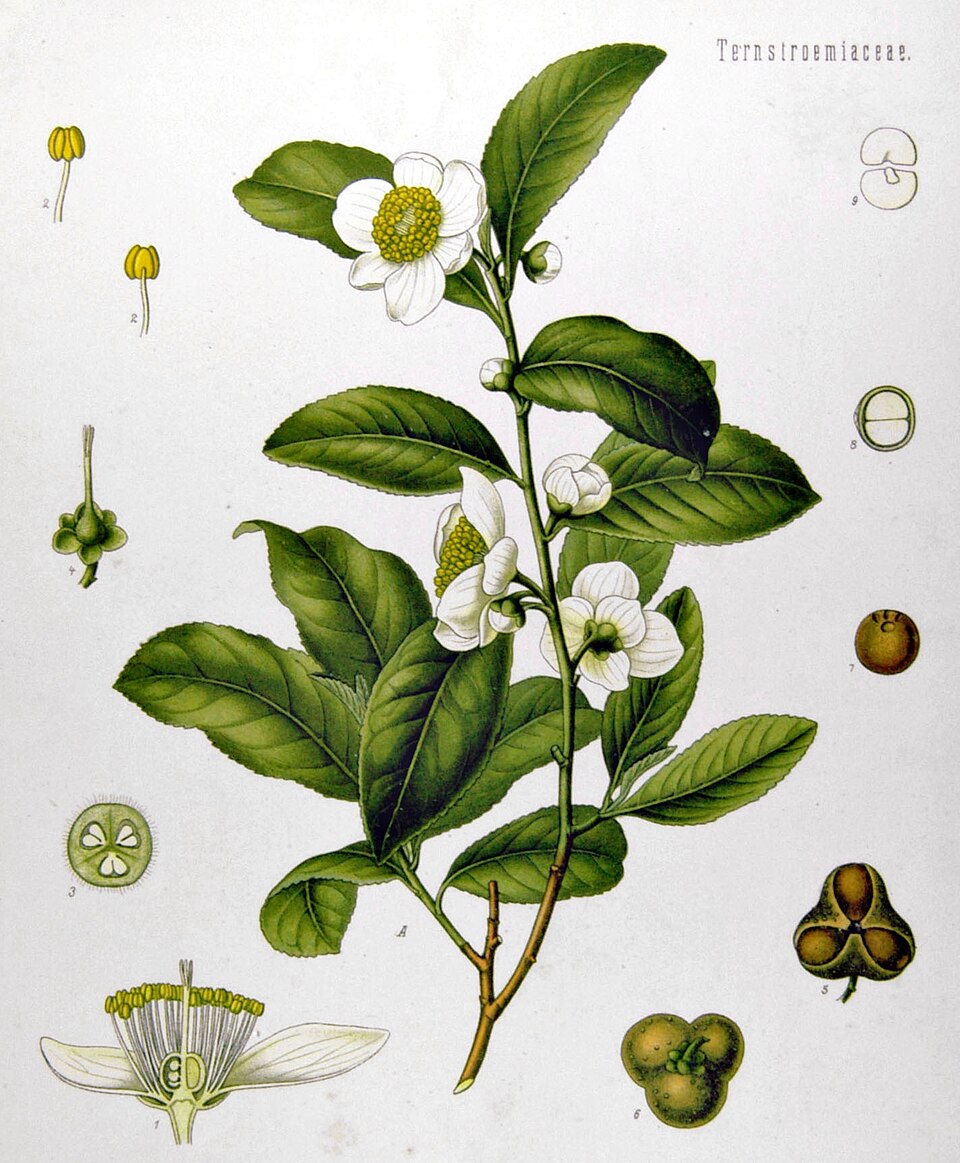
The same plant that gives the world black tea, oolong, and white tea — but minimally processed to preserve its catechins, the antioxidant family that drives most of the modern research. One of the most-studied beverages on earth, with consistent evidence for cardiovascular and metabolic support.
- Modestly lowers LDL cholesterol with regular daily intake
- May modestly lower blood pressure over time
- Supports healthy blood sugar and insulin sensitivity
- Modest support for fat metabolism — best evidence comes from the catechin EGCG combined with caffeine
- Powerful antioxidant action from catechins, particularly EGCG
- Long traditional use for mental clarity — the combination of caffeine and L-theanine is gentler than coffee
- Lower caffeine than coffee, with the calming amino acid L-theanine that softens the stimulation
Concentrated green tea extracts have caused liver injury, including some serious cases — drinking the tea is far safer than taking high-dose extract supplements
Use caution with blood thinners — green tea can interact with warfarin
Reduces the absorption of iron and certain medications — separate doses by at least an hour
Caffeine content can disrupt sleep, raise blood pressure, and worsen anxiety in sensitive people
Use caution with stimulant medications — additive effects
Limit during pregnancy due to caffeine — moderate tea consumption is generally considered safe, but extracts are not
You might also explore