Myrrh
also known as myrrh resin
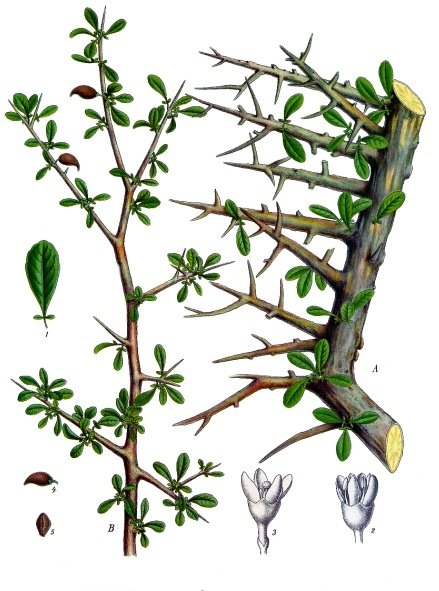
A reddish-brown resin from a thorny tree native to the Horn of Africa and Arabian Peninsula. Burned as incense in ancient Egypt, used in Ayurvedic and traditional Chinese medicine, and named in the Bible — myrrh has a longer continuous medicinal history than almost any other plant resin. Modern use focuses on the mouth, gums, and topical wound care.
- Long traditional use as an antimicrobial wash for the mouth, gums, and minor wounds
- Eases inflammation of the gums (gingivitis) and mouth ulcers when used as a rinse or in toothpaste
- Anti-inflammatory action useful for sore throat
- Topical use traditionally associated with wound healing and skin infections
- Bitter digestive support in traditional use
- Active in lab studies against several types of bacteria, fungi, and parasites
Related literature · not reviewed for these claims
These papers were imported by topic. They may concern plants, laboratory work, or different preparations. Inclusion here does not establish a human health benefit or support the claims above. How to read our sources →
- In Vitro Evaluation of Antileishmanial Activity of Commiphora myrrha Essential Oil Nanoliposome.
- Anti-inflammatory properties of Boswellia frereana Birdw., Boswellia neglecta S.Moore, Boswellia rivae Engl., Boswellia sacra Flück., Boswellia serrata Roxb., Commiphora confusa Vollesen, Commiphora kataf (Forssk.) Engl. and Commiphora myrrha (T.Nees) Engl. extracts in viral and chronic respiratory inflammation.
- Ethanolic extract of Commiphora myrrha gum-resin promotes therapeutic compound accumulation in Achillea fragrantissima under in vitro culture.
- Commiphora myrrha resin extract inhibits the biofilms and quorum sensing controlled virulence factors of Gram-negative foodborne bacterial pathogens.
- Commiphora myrrha extract protects pigeons from Eimeria labbeana-like-triggered inflammatory dysregulation.
Memorial Sloan Kettering About Herbs · EMA Herbal Medicinal Product Monographs · American Botanical Council HerbMedPro · Memorial Sloan Kettering About Herbs · EMA Herbal Medicinal Product Monographs · American Botanical Council HerbMedPro