
Bitter Orange
Citrus aurantium
also known as Seville orange, synephrine
Weak (modern uses) — and a real cardiovascular safety concern
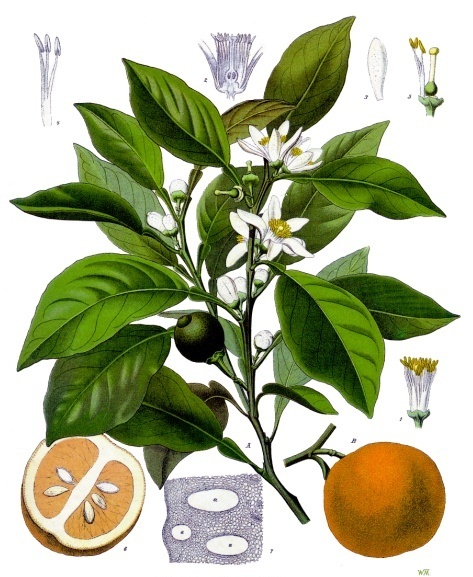
The peel of a sour orange variety, used as a digestive bitter in European and Chinese medicine for centuries. After ephedra was banned from US dietary supplements in 2004, bitter orange became a common replacement in weight-loss and energy products — and bitter orange has caused similar cardiovascular incidents. The traditional small culinary use is fine; the high-dose supplement use is not.
- Long traditional culinary and medicinal use as a digestive bitter
- Bitter orange peel is an ingredient in marmalade, Cointreau, and Curaçao — the food uses are completely safe
- Traditional Chinese medicine use (zhi shi from immature fruit, zhi qiao from mature fruit) for digestive stagnation
- Mild appetite-stimulating effect
- Modern weight-loss claims around its synephrine content have not held up well in research
Synephrine and related compounds raise blood pressure and heart rate — bitter orange supplements have caused heart attacks, strokes, and at least one documented death
Skip with high blood pressure, heart disease, or arrhythmias
Skip with thyroid disease
Strong interaction with stimulant medications, caffeine, and other thermogenic supplements — additive cardiovascular risk
Strong interaction with MAOIs — can cause severe blood pressure spikes
Bitter orange peel inhibits the same liver enzyme as grapefruit, affecting medication metabolism
Skip during pregnancy and nursing
Skip with anxiety disorders
Stop two weeks before surgery
FDA has investigated multiple cardiovascular events tied to bitter orange supplements, particularly when combined with caffeine
You might also explore